Kyoto Temples and Shrines Map
See a street map of Kyoto’s many temples and shrines. There are around 2,000 altogether in the city as a whole, ranging from UNESCO World Heritage listed places such as Kinkakuji, Ginkakuji, and Ryoan-ji to small, family owned, neighborhood temples and shrines.
Temples
Indeed, Kyoto’s temples are among Japan’s most treasured cultural and spiritual landmarks, reflecting over a thousand years of religious tradition and artistic achievement.
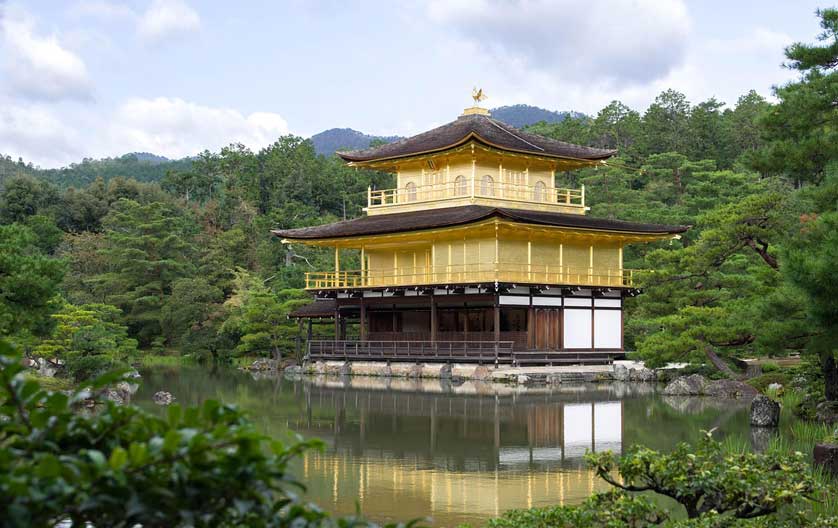
From the golden splendor of Kinkaku-ji and the serene rock garden of Ryōan-ji to the vast wooden halls of Kiyomizu-dera, each temple offers a distinct atmosphere shaped by Buddhism, nature, and seasonal change. Often set amid landscaped gardens, forested hills, and quiet neighborhoods, these temples balance architectural elegance with contemplative simplicity. Together, they embody Kyoto’s role as the historic heart of Japanese culture and a living center of spiritual practice.
The UNESCO World Heritage listed temples in Kyoto are the following
Kinkaku-ji (Rokuon-ji): The famous “Golden Pavilion”.
Ginkaku-ji (Jishō-ji): The “Silver Pavilion”.
Kiyomizu-dera: Known for its large wooden stage.
Tenryu-ji: Renowned for its strolling garden.
Ryoan-ji: Famous for its Zen rock garden.
To-ji: Features the tallest wooden pagoda in Japan.
Nishi Hongan-ji: A major, elaborate temple complex.
Ninna-ji: Known for its pagoda and late-blooming cherry trees.
Saiho-ji (Koke-dera): Famed for its moss garden.
Daigo-ji: A vast temple complex with the oldest pagoda in Kyoto.
Kozan-ji: Known for its early Japanese paintings.
Enryaku-ji: Located on Mt. Hiei.
Byodo-in: Located in nearby Uji, featuring the Phoenix Hall found on the 10 yen coin.

Shrines
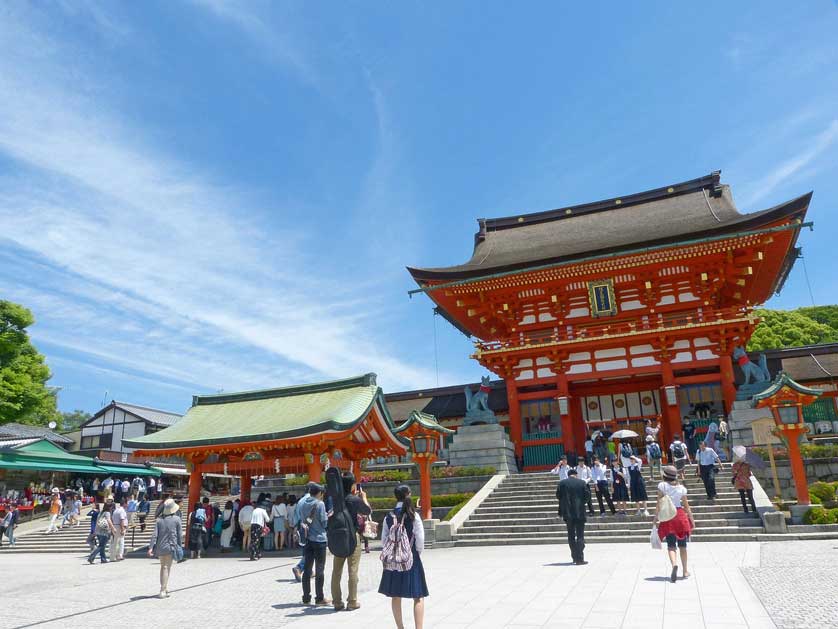
Kyoto’s shrines are deeply rooted in Shinto tradition and are closely connected to the city’s natural landscape and seasonal rituals. Characterized by vermilion torii gates, wooden structures, and sacred forests, sites such as Fushimi Inari Taisha and Heian Shrine emphasize harmony between people and nature. Unlike temples, shrines are places of kami worship and community festivals, reflecting Kyoto’s role as a spiritual center where ancient beliefs continue to shape daily life and cultural identity.
The UNESCO World Heritage listed shrines in the ancient capital are
Kamowakeikazuchi Shrine (Kamigamo Shrine): One of the oldest in Kyoto.
Kamomioya Shrine (Shimogamo Shrine): Famous for the Aoi Matsuri festival and its procession to Kamigamo Shrine – the sister shrine to the north.
Ujigami-jinja Shrine: Located in Uji.