Nara Hotel 奈良ホテル
The Nara Hotel is the most historic and prestigious hotel in Nara. The five-star hotel opened as a state guest house in 1909 during the Meiji Period of intensive westernization of traditional Japanese culture.
The architecture of the hotel reflects a synchronization of classic Japanese and Western construction styles typical of the Japonism of the period. The main building of the hotel was built using Japanese cypress wood after the model of early Edo Period grand residences for dignitaries on the Tokaido and Nakasendo highways stretching between Kyoto and Tokyo.
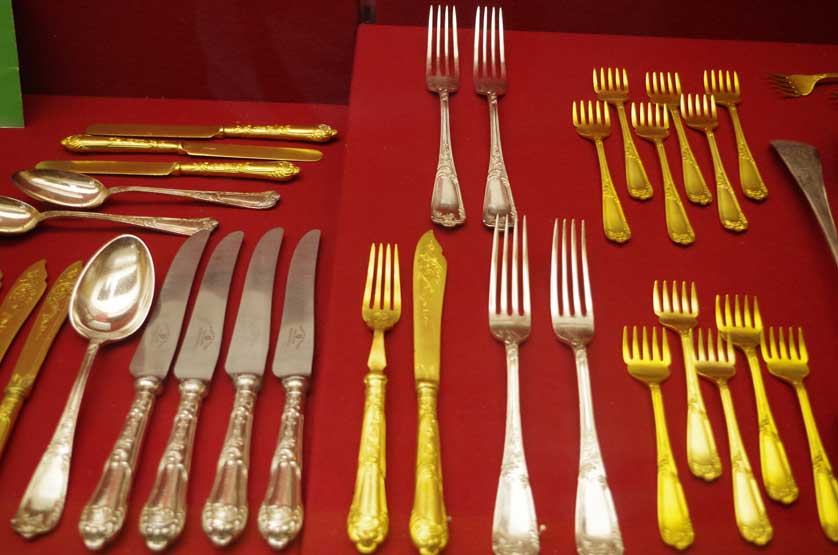
Partially owned by the West Japan Railway Company, the hotel has a number of cabinet displays on the ground floor exhibiting the original cutlery and dinnerware from its early days complete with the livery of the railway.
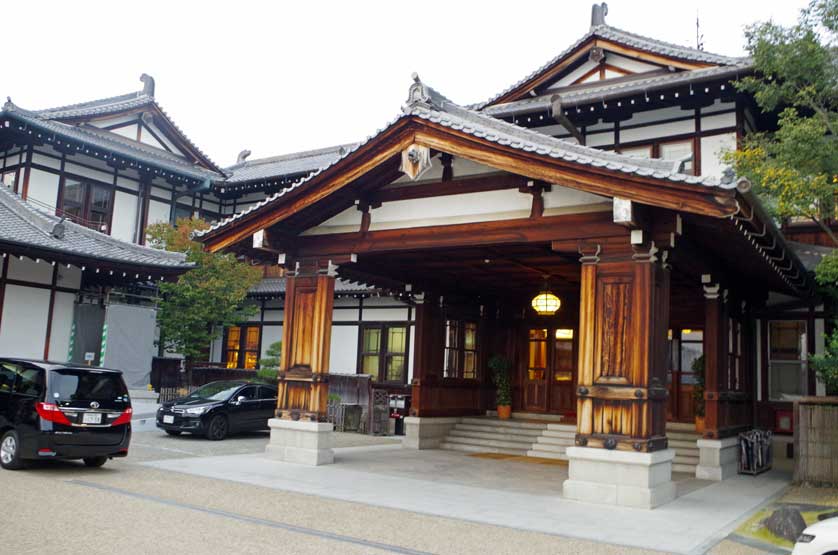
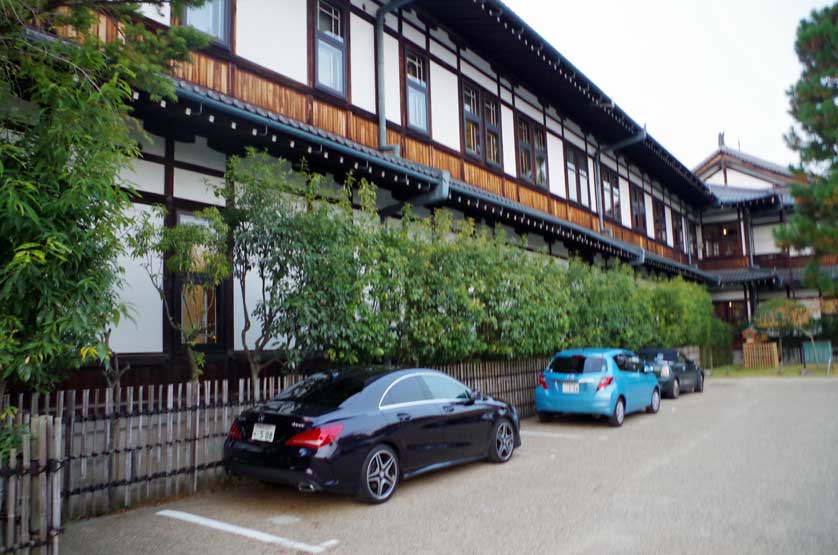
The Nara Hotel consists of the historic main building and a more modern wing built in the Yoshino style of south Nara overlooking a verdant courtyard.
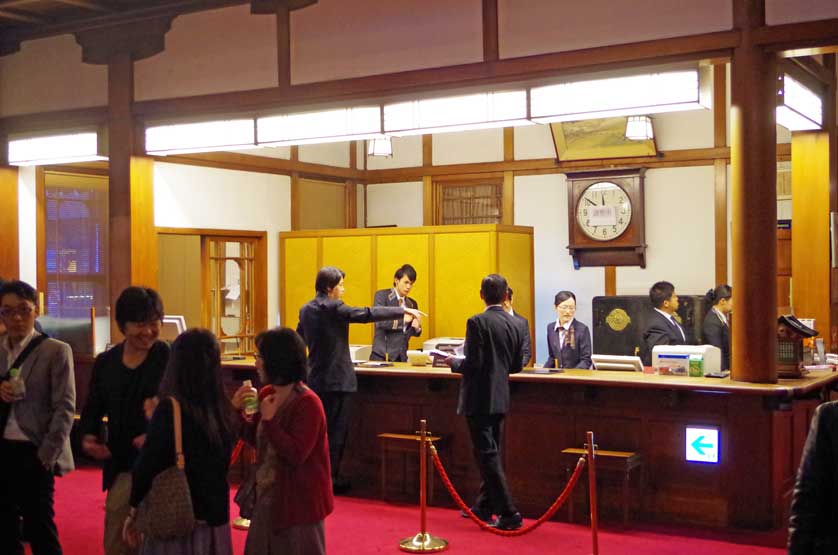
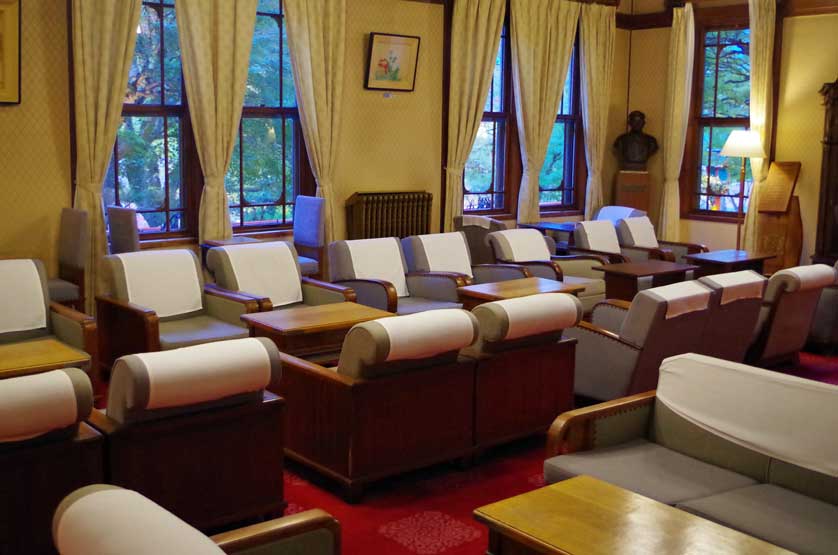
The elegant rooms in the original building all have mantelpieces and high coffered ceilings. Next to the lobby is the hotel shop with brand goods and souvenirs on sale. The tea lounge on the ground floor features the piano that Einstein played during his stay.
The main dining hall is the classic Mikasa, serving French cuisine in a period setting, complete with fine French wines. Hanagiku is the Japanese restaurant serving high quality seasonal cuisine. The Bar is a darkened, tranquil space for intimate relaxation.
The hotel has six banquet rooms for hire for weddings, meetings or seminars.
Famous Nara Hotel Guests
Visiting dignitaries who have stayed at the Nara Hotel include Albert Einstein, Bertrand Russell, King Edward VII, Charlie Chaplin, Charles Lindbergh, Helen Keller, Joe DiMaggio, Marlon Brando, Jawaharlal Nehru, Puyi – the Last Emperor of China – Richard Nixon, Robert F. Kennedy, Audrey Hepburn, Pope Paul VI, and the present Dalai Lama.
National Treasures on display at the property include a copy of the Nihon Shoki from the Heian Period, a seated image of Yakushi, the Buddha of Healing, also from the Heian Period, writings by the priests Saicho and Kukai and a sutra box from the Heian Period made from lacquered hide.
The wooden Buddhist Art Library is open on Wednesdays and Fridays and is a reference library relating to Buddhist art.
The grounds of Nara Hotel contain the Hassoan tea ceremony house, built in the Edo Period, at Daijo-in, a sub-temple of Kofuku-ji Temple. The tea house has four tatami mats and a tokonoma alcove.
The underground passage of the museum contains the museum shop and a restaurant.
Nara Hotel Access – Getting There
(Book the hotel)
1096 Takabake-cho
Nara 630-8301
Tel: 0742 26 3300
The luxury hotel is close to many of the city’s main tourist attractions: Kofukuji, Todaiji, Isuien Garden, Kasuga Taisha Shrine, Gangoji Temple and right next door to the Former Daijoin Temple Garden.
This historic hotel is a 15 minute walk south from Kintetsu Nara Station. The most convenient Nara buses for the Nara Hotel are any of #50, #51, #53, #82 or #92. All of these buses stop outside the hotel and originate from JR Nara Station East Exit. The hotel is an excellent base to wander the historic streets of nearby Naramachi with its Edo era machiya houses, museums and atmospheric eateries.
Nara Hotels
Find & Book Hotels in Nara
The Nara Hotel
Hotel Fujita